Layered Lighting: How To Light A Bedroom
The bedroom is no longer just a place to sleep. For many New Zealanders it’s a space to relax, read, work from home, and unwind at the end of the day. So it makes sense that your bedroom lighting should have evolved from more than just a lone ceiling light.
That’s where layered lighting comes in. This simple design approach combines different lighting types to give you a space that’s both beautiful and functional. Whether you’re getting ready for work, reading in bed, or winding down with a podcast, layered lighting lets you adjust the feel of your room with ease.
From soft ambient ceiling lights to focused bedside lamps, we’ve pulled together some practical tips on how to light a bedroom using ambient, task and accent lighting - plus a few ideas to make your space feel like a true retreat.
What Is 'Layered Lighting' For The Bedroom?
Layered lighting is a way of combining different light sources, each with a specific purpose, to create the perfect balance of light for your space. It brings flexibility and depth to the room, and can be especially useful in bedrooms where you move between rest and activity throughout the day.
When it comes to bedroom lighting, we find there are three key lighting categories to consider.
Ambient lighting: This is your general, overall room lighting.
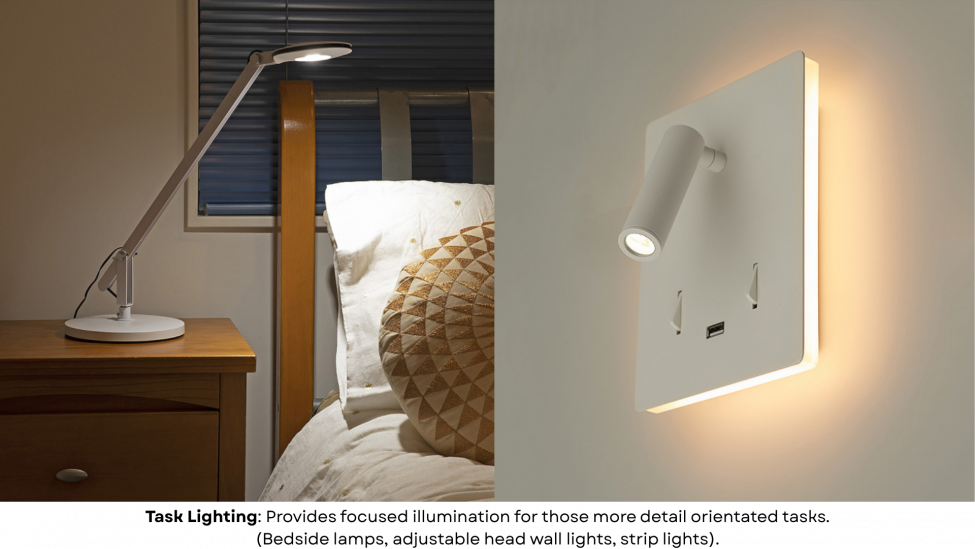
Task lighting: This is a more focused source of lighting, used for reading, dressing, or working.
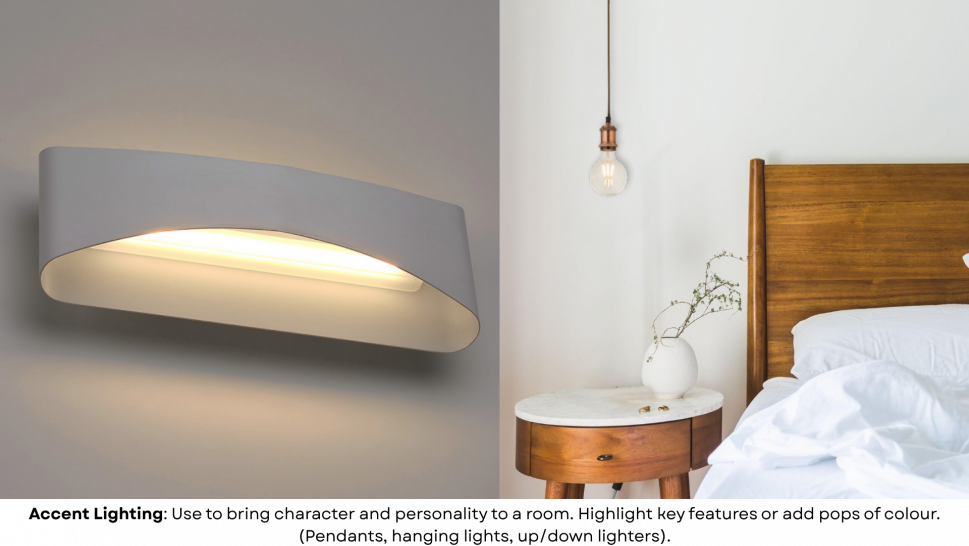
Accent lighting: This is your more decorative layer of lighting, used to highlight features or add personality/style to the space.
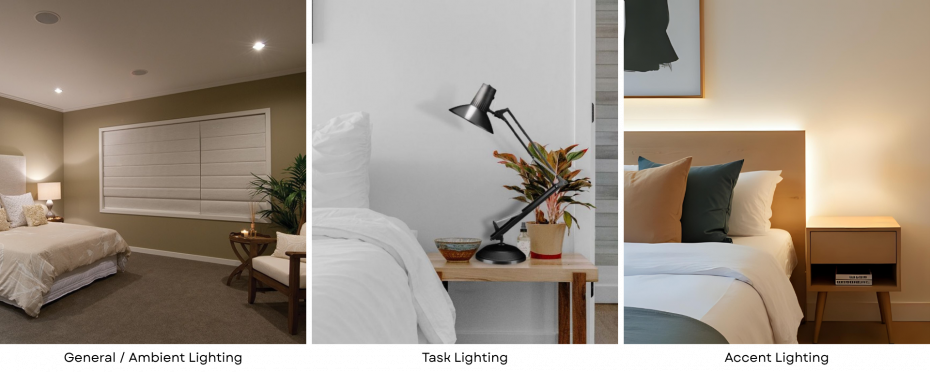
When all three layers work together, you get a space that feels calm, practical, and personalised to your needs and style - and it all starts with a little thoughtful planning.
Tips for Planning Bedroom Lighting
>> Ambient Lighting <<
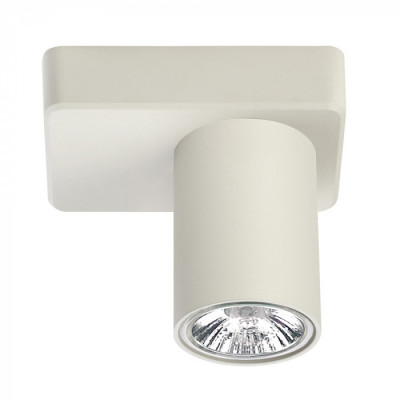
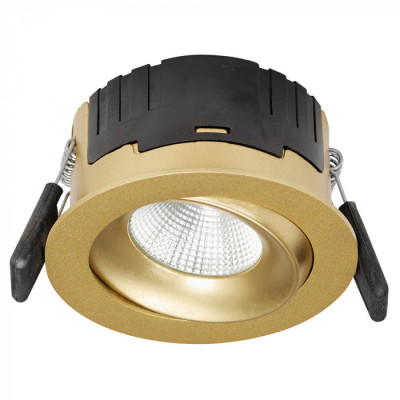
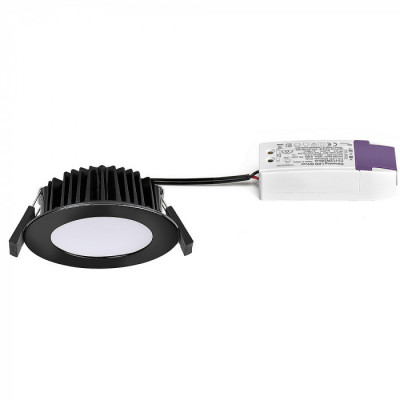
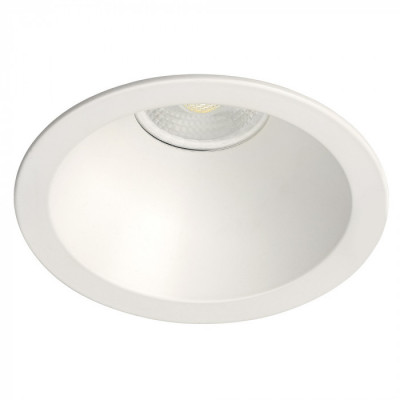
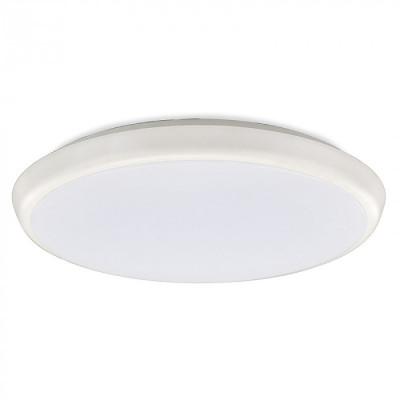
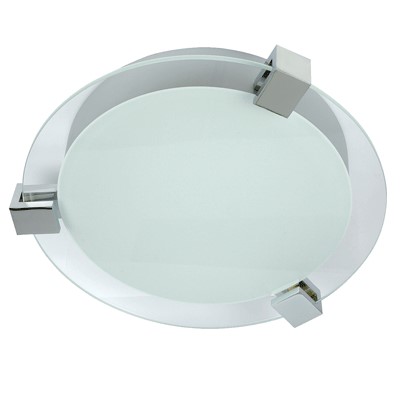
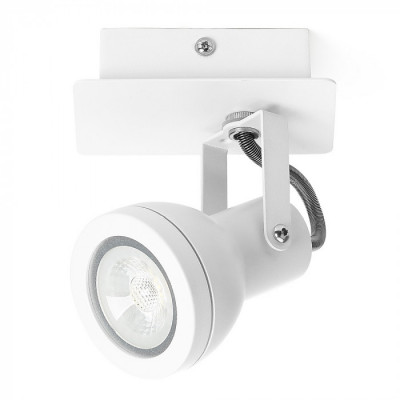
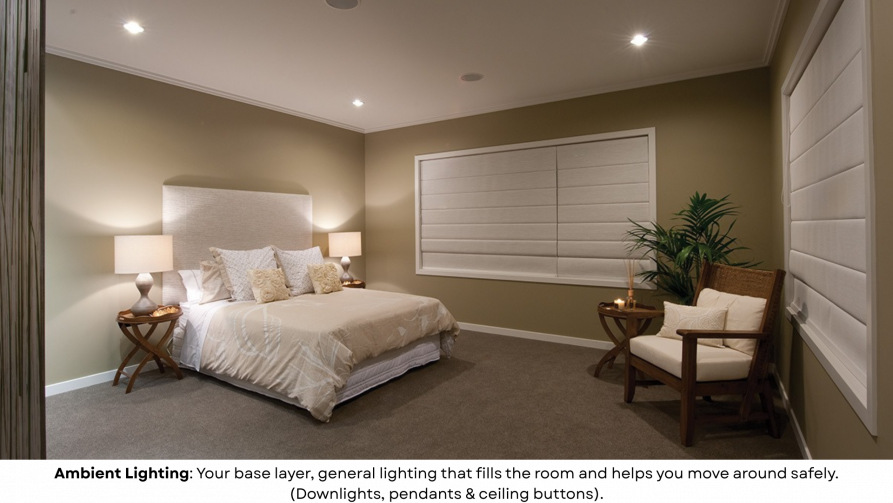
Ambient lighting is your base layer - the general light that fills the room and helps you move around safely. In most bedrooms, this is usually in the form of ceiling buttons, downlights and spotlights.
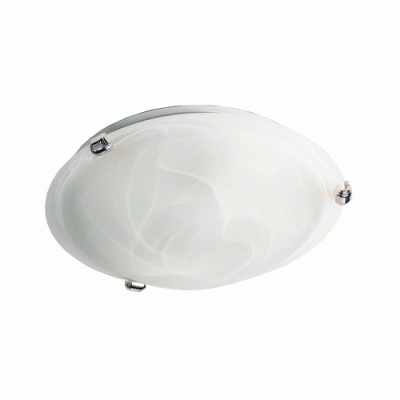
Look for bedroom light fittings that cast soft, even light - like those with frosted/alabaster glass, or diffused panels that help to reduce harsh glare. Dimmable options are great too, giving you more control over brightness throughout the day.
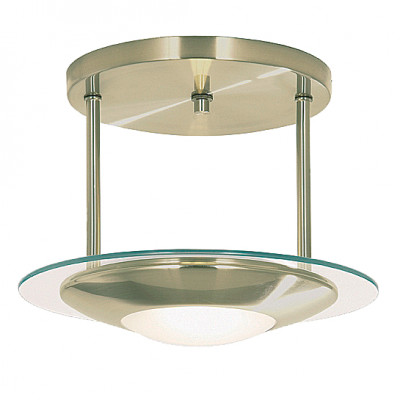
Ceiling mounted pendants, button lights or LED downlights are popular ambient choices for New Zealand homes. Keep in mind the size of your room and ceiling height when choosing your fitting, so the light feels balanced and proportionate.
>> Task Lighting <<
Task lighting provides focused illumination for areas that need a little extra light - perfect for reading in bed, getting dressed, or applying makeup.
Before buying a task light, think about how you’ll use it. For cozy, relaxing activities like reading or watching TV in bed, go for warmer colour temperatures. For tasks needing precision - like makeup or work - choose neutral white tones and a CRI of 80+ to ensure colours look true to life.
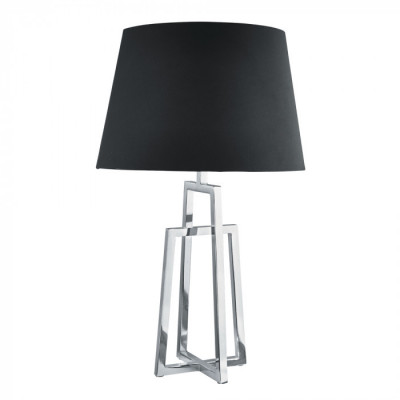
Bedside lamps are a popular choice. Pick a pair that suits your room’s style and offers enough brightness without being harsh. Lamps with replaceable bulbs let you adjust colour temperature - warmer tones (around 2700K) are ideal for winding down at night.
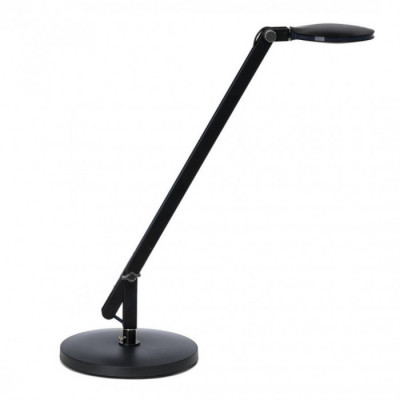
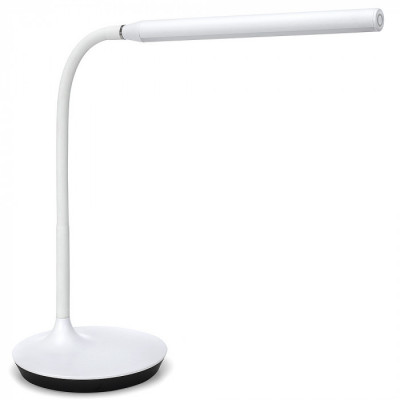
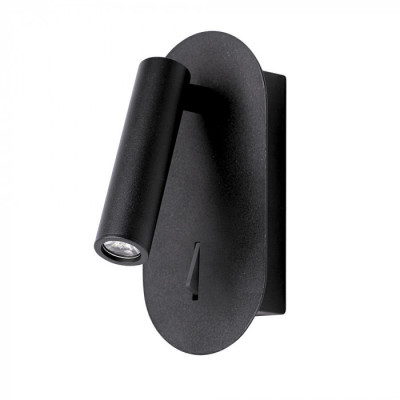
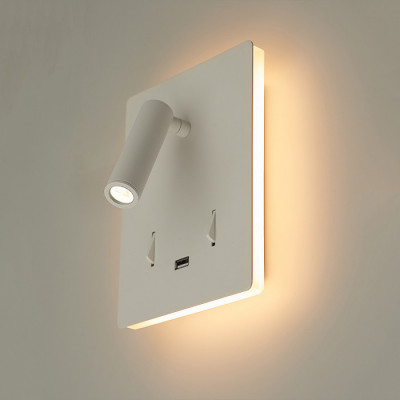
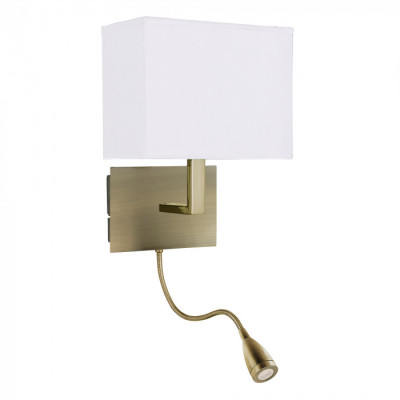
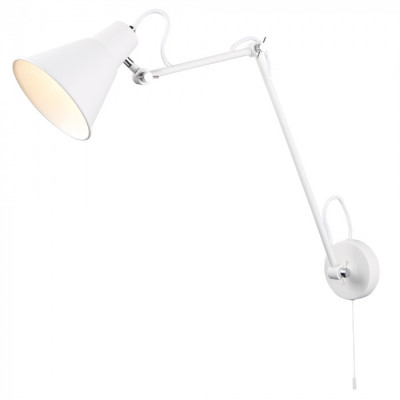
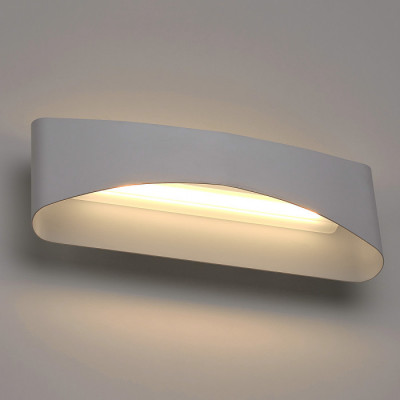
Wall mounted bedside lights are gaining popularity as a space saving alternative to table lamps. Swing arm & flexi stem designs offer adjustable lighting, and models with built-in charging ports give you a sleek, 2-in-1 solution - perfect for reading or scrolling without disturbing your partner.
Whether you choose pendant lights, wall lights or classic table lamps as your bedside light of choice, consider the symmetry of the space. Having 'matching' lighting either side of the bed gives visual balance to the room, and makes it feel more 'complete'. If you don't want two bedside lights in the room, consider adding a vase of something that gives similar height and/or depth to the space.
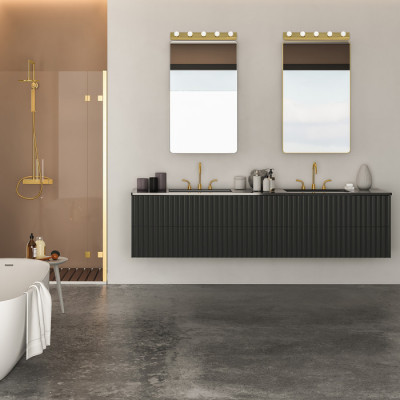
In wardrobe or dressing areas, strip lights, mirror lights, or spotlights deliver bright, targeted lighting exactly where you need it.
>> Accent Lighting <<
Accent lighting adds depth, character, and warmth to a room. Think of it as the final layer of your lighting scheme - used to draw attention to architectural features, highlight textures, or create a soft, inviting mood that ties everything together.
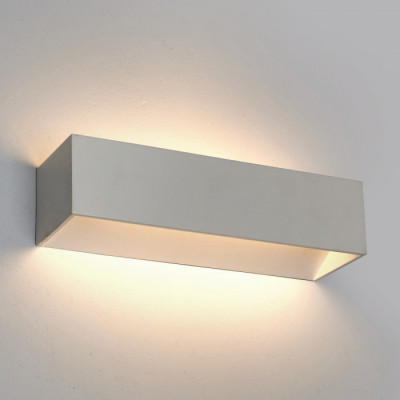
This type of lighting can be as simple as an LED strip behind your headboard for a subtle glow, a pendant light that softly illuminates a corner, or a wall washer that enhances the texture of artwork or a feature wall. You can also use recessed wall lights, uplights, or toe kick lighting around cabinetry and furniture to add definition and a gentle halo effect that brings dimension to the space.
Accent lighting tends to be dimmable, soft, and decorative rather than functional. It doesn’t need to be bright - instead, it should complement your ambient and task lighting, helping to shape the overall atmosphere and make the room feel cohesive, layered, and thoughtfully designed.
Why Layering Bedroom Lighting Makes a Big Difference
Unlike rooms with a single function - like the laundry or garage - the bedroom is one of the most dynamic spaces in the home. You use it to rest, relax, get ready, work, read, and more. That’s why bedroom lighting needs to be versatile.
Layered lighting gives you the flexibility to match the light to the moment. Need to find clothes in the early morning? Switch on your ambient and task lighting. Reading before bed? Just your bedside lamp. Want a bit of atmosphere? Soft accent lighting can do the trick.
Well-designed bedroom lighting isn’t just functional - it also enhances your room’s design, bringing depth, warmth, and a sense of calm to the space.
Top Considerations for Bedroom Lighting Success
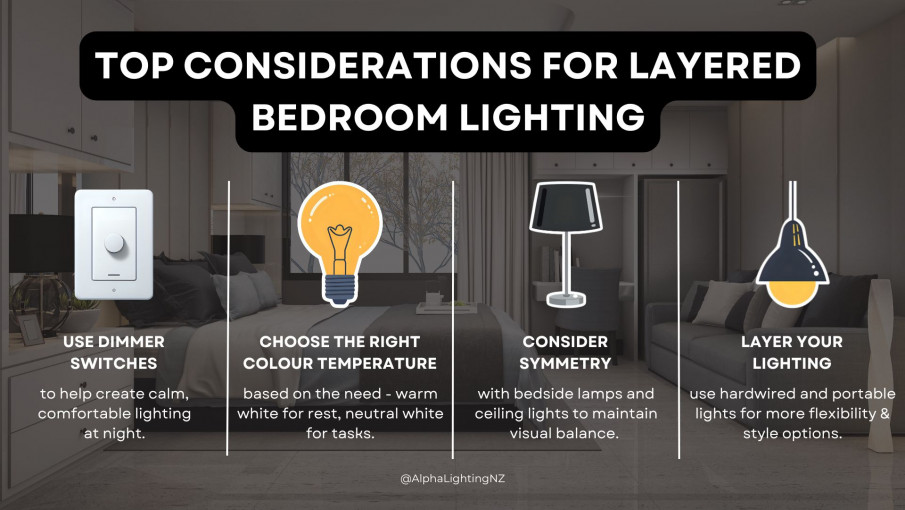
1. Use Dimmer Switches
Wherever possible, include dimmers on your main and bedside lighting. They make it easy to adjust brightness for different moments throughout the day - making the space more usable. Lower levels in the evening help your body wind down, while brighter light supports morning routines. Dimmers also add flexibility for reading, relaxing, or creating ambience.
2. Choose The Right Colour Temperature
Warm whites around 2700–3000K create a calm, restful feel that supports healthy sleep, while neutral whites in the 3500–4000K range show colours more accurately and are ideal for dressing or applying makeup. Layering both across your space gives you flexibility from morning to night.
3. Keep It Balanced With Symmetry
Symmetry brings a sense of calm and visual harmony. Matching bedside lamps, wall lights, or evenly spaced ceiling fittings help your space feel cohesive and thoughtfully designed - even when the lighting levels vary.
4. Layer That Lighting - Mix Hardwired & Portable Lights
Combine ceiling and wall lights with table and floor lamps to create depth and flexibility. Overhead lighting sets the foundation, while portable pieces add warmth and accent specific areas. Layering both types allows you to shift the mood easily - from bright and functional to soft and inviting - making your space adaptable for every moment.
Explore Our Bedroom Lighting Collection
Ready to rethink how you light your bedroom? Browse some of the categories highlighted in this blog here: table lamps, ceiling lights, pendant lights, wall lights , bedside wall lights - or check out our entire product range here. Whether you’re after soft ambient lighting, statement pendants, or practical reading lights - we’ve got a lighting solution to match your space and style. Check out the product links below for some more inspiration...
Need help finding the right option? Get in touch with our knowledgeable team here - we can answer any questions you may have about our range, and help you on your way to creating the perfect layered lighting plan to suit your bedroom, lifestyle, and budget.